Emerging Technology Trends in 2026 That Are Redefining the Digital World
Explore emerging technology trends in 2026 and learn how artificial intelligence, automation, cloud computing, and connected devices are reshaping the digital world.
Technology continues to transform how people work, communicate, learn, and manage everyday responsibilities. In 2026, digital innovation extends beyond individual devices and influences entire industries, from healthcare and manufacturing to education and financial services. Businesses are adopting new systems to improve efficiency, while individuals rely on digital tools for information and convenience. Understanding these developments helps people recognize useful opportunities while preparing for the challenges that accompany rapid technological change.
Discover a wide range of the latest information, breaking news, and in-depth reviews that will broaden your perspective on various engaging topics. Find out more, only at Techy Geeks Insight.
Artificial Intelligence and Intelligent Automation
Artificial intelligence remains a major force in digital transformation. Modern AI systems can assist with writing, research, customer support, data analysis, and software development. Organizations use these capabilities to reduce repetitive work, process information more efficiently, and support employees with complex tasks.
Automation is also expanding across business operations. Companies can connect digital workflows to manage documents, track inventory, and respond to routine requests. However, successful implementation requires human oversight, reliable information, and clear rules for handling sensitive data. Businesses must evaluate accuracy and accountability before allowing automated systems to make consequential decisions.
Cloud Computing and Flexible Digital Infrastructure
Cloud computing allows organizations to access computing resources, applications, and storage without maintaining every system on their own premises. This flexibility helps businesses adjust capacity as demand changes and supports collaboration among employees working from different locations.
Cloud services can also reduce the burden of maintaining physical infrastructure, although costs may increase when organizations overlook usage and configuration. Companies should review access permissions, backup procedures, and service requirements regularly to maintain reliable operations. A well-planned cloud strategy balances flexibility, security, and long-term expenses.
Connected Devices and the Internet of Things
The Internet of Things connects physical devices that collect and exchange information through digital networks. Smart home equipment, industrial sensors, wearable devices, and connected transport systems can help users monitor conditions and automate selected activities.
For businesses, connected sensors can identify equipment problems, track environmental conditions, and support more efficient resource management. At home, smart devices may improve convenience and energy monitoring. However, every connected device can introduce security and privacy concerns, making regular updates, strong passwords, and careful permission management essential.
Also Read:Technology Pillar Secrets: How Innovation Controls the Modern World
Cybersecurity and Digital Trust
As digital systems become more interconnected, cybersecurity plays a greater role in protecting personal information and business operations. Phishing, account theft, ransomware, and software vulnerabilities can affect organizations of every size. Strong security practices help reduce exposure and support trust among customers, employees, and partners.
Organizations can improve protection through multifactor authentication, timely software updates, encrypted backups, and employee awareness training. They should also prepare incident response procedures so teams can act quickly when a security problem occurs. Technology alone cannot eliminate every threat, but consistent practices can significantly strengthen digital resilience.
Conclusion: Adapting to a Changing Digital World
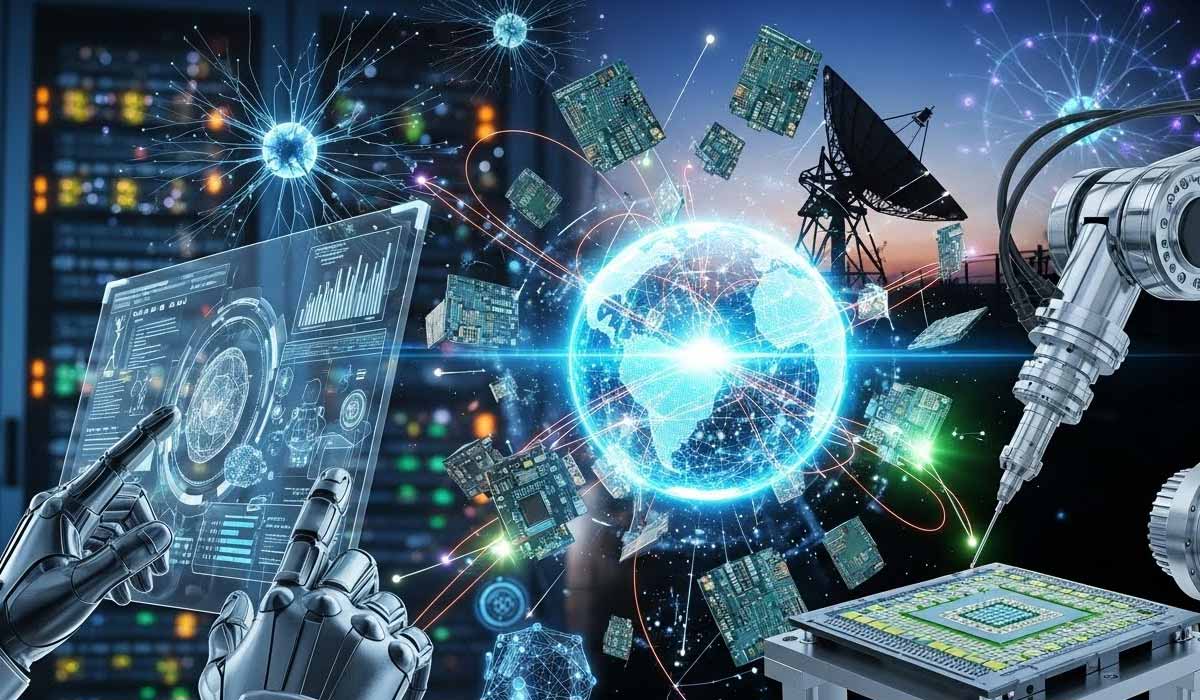
Emerging technology trends in 2026 demonstrate how AI, cloud computing, connected devices, automation, and cybersecurity influence modern digital experiences. These technologies create opportunities to improve productivity, develop new services, and solve practical problems across different industries.
Adopting innovation responsibly requires more than following popular trends. Individuals and organizations should identify genuine needs, evaluate potential risks, and invest in skills that support long-term adaptability. By combining technological progress with human judgment and strong security practices, society can make better use of an increasingly connected digital world.