The Evolution of Entertainment from Time to Time
The development of entertainment has undergone a long transformation from traditional to digital, reflecting cultural changes.
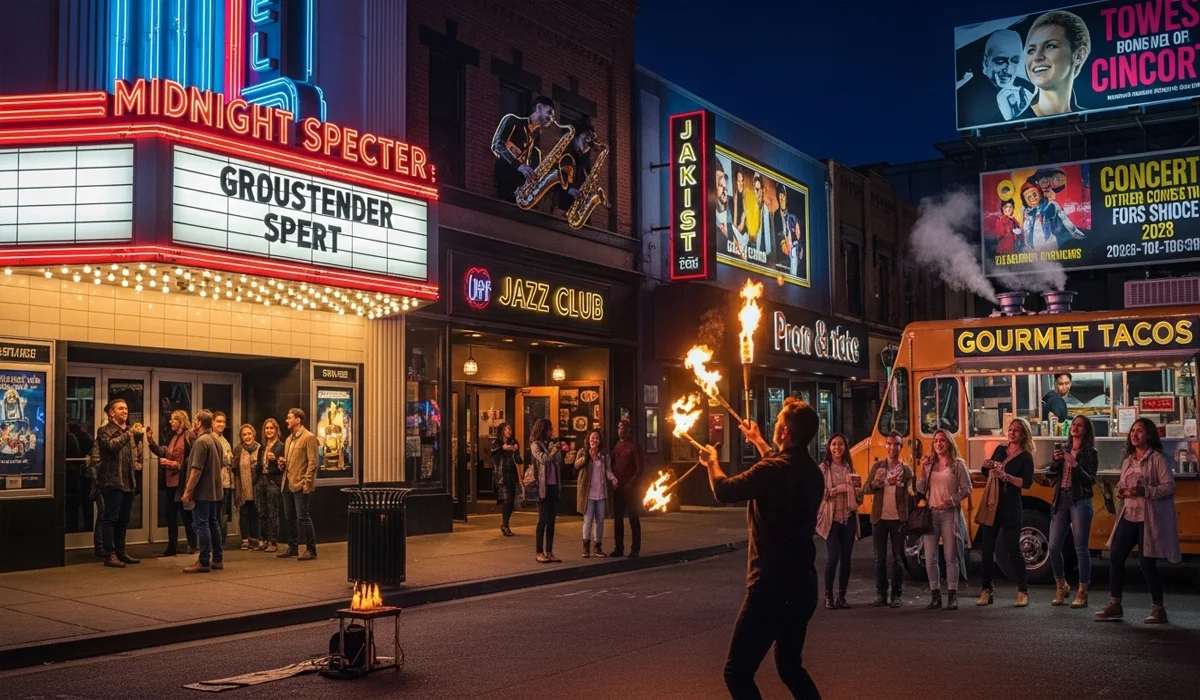
Entertainment is an activity that provides pleasure, relaxation, and emotional experiences for humans through various forms of media and social interaction. Below Techy Geeks Insight will discuss the development of entertainment from time to time as well as changes in form and its influence on human life.
Traditional Entertainment in Early Human Life
Early societies relied on entertainment in the form of ritual dances, simple music, and oral stories passed down collectively from generation to generation. These activities strengthened social relationships and served as a means of educating the public on important cultural values.
Traditional performances often took place in open spaces with active community participation. Each element of the performance had symbolic meaning related to beliefs and daily life. Clear examples are seen in wayang (puppet) performances, traditional dances, and regional songs, which still survive today.
These traditions demonstrate that humans have always needed a means of creative expression. These early forms laid the foundation for the development of later, more complex and structured forms of entertainment. Over time, societies began to develop variations of entertainment with more organized techniques and attracted a wider audience.
Entertainment in the Royal and Classical Eras
During the royal era, entertainment flourished through court performances such as classical theater, orchestral music, and structured formal dances. These activities were often used to demonstrate the ruler’s power and social status. Artists began to play a special role in creating works that both entertained and educated the public. Furthermore, epic stories and legends became the mainstay of various artistic performances.
These performances typically took place in confined spaces with strict rules. Concrete examples include classical drama and royal musical performances, which held high aesthetic standards. These developments demonstrate a shift from collective entertainment to more exclusive forms of entertainment. Nevertheless, their influence extended to the general public through simpler adaptations of local culture.
Also Read: Innovation in the World of Education
The Entertainment Revolution in the Industrial Era
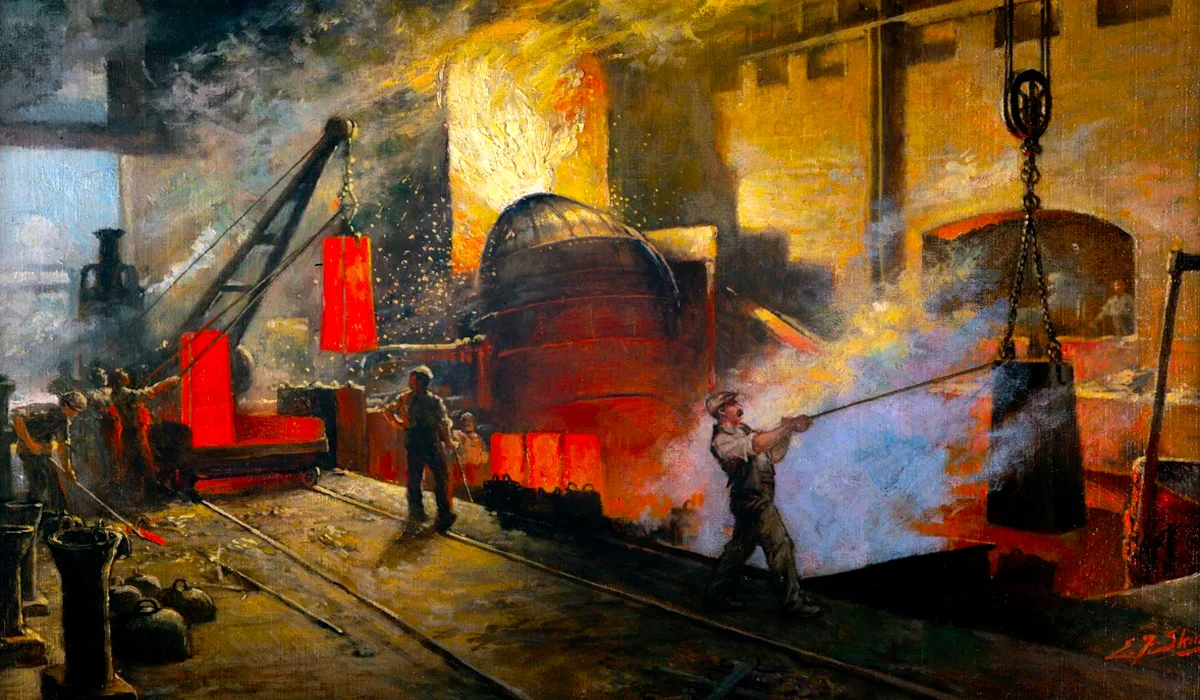
The industrial era brought major changes to entertainment through the emergence of printing technology, public theaters, and more affordable mass performances.
Entertainment production began to be systematically implemented to reach a wider audience. The presence of newspapers and books allowed people to enjoy stories without having to attend a performance in person. Furthermore, cinema emerged as a form of visual entertainment that attracted large audiences.
These changes created a new industry focused on the production and distribution of entertainment content. A clear example is the popularity of silent films in various countries. This transformation accelerated the spread of culture and information. Thus, entertainment was no longer confined to a specific space but could be enjoyed by people from various backgrounds more easily.
Emergence of Electronic Media in Entertainment
The emergence of radio and television significantly changed the way people enjoyed entertainment by bringing content directly into the home. This technology enabled faster access to information and performances. Broadcast programs such as radio dramas and television shows became part of people’s daily routines. Furthermore, content distribution has become more efficient because it no longer requires the physical presence of viewers.
Concrete examples include news broadcasts, music shows, and drama series that attract a wide audience. This change has also driven the emergence of a growing broadcasting industry. With the advent of electronic media, entertainment has become more personal and accessible. This marks a major shift in entertainment consumption patterns across various segments of society.
The Transformation of Global Entertainment
The development of digital technology has elevated entertainment to a new level with the advent of the internet and innovative online platforms. People can now access various types of entertainment anytime and anywhere. Streaming video, digital music, and social media have become essential parts of everyday life. Furthermore, the interaction between creators and viewers has become more direct and dynamic.
A concrete example is seen in streaming platforms that provide content tailored to user preferences. This transformation also opens up opportunities for individuals to become independent content creators. Thus, digitalization is not only changing the way entertainment is consumed, but also how it is produced and distributed globally and efficiently.
Image Information Source:
- Main Image from: cleanhabit.co.uk
- Second Image from: www.worldhistory.org
